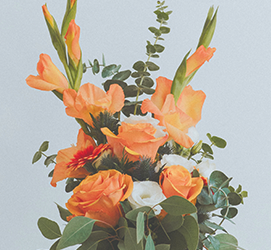
Kidbrooke Village best florist for wedding installations
Posted on 16/09/2026
If you are planning a wedding in or around Kidbrooke Village, flowers are rarely just decoration. They are part of the mood, the photographs, the welcome at the door, and the little moment when a room stops feeling like a venue and starts feeling like your day. Choosing the Kidbrooke Village best florist for wedding installations is really about finding someone who can turn ideas into a calm, beautiful reality without making the planning feel like hard work. That matters more than people expect. A good installation florist does not just "do flowers"; they interpret your venue, your timings, your budget, and your style, then build something that looks effortless. Which, let's face it, usually takes a fair amount of effort.
This guide breaks down what wedding installations involve, how the process works, how to judge quality, and what to avoid if you want your flowers to look polished from ceremony to last dance. You will also find a practical checklist, a comparison table, and a realistic case example so you can make a better decision with less stress.
Table of Contents
- Why Kidbrooke Village best florist for wedding installations Matters
- How Kidbrooke Village best florist for wedding installations Works
- Key Benefits and Practical Advantages
- Who This Is For and When It Makes Sense
- Step-by-Step Guidance
- Expert Tips for Better Results
- Common Mistakes to Avoid
- Tools, Resources and Recommendations
- Law, Compliance, Standards, or Best Practice
- Options, Methods, or Comparison Table
- Case Study or Real-World Example
- Practical Checklist
- Conclusion
- Frequently Asked Questions
Why Kidbrooke Village best florist for wedding installations Matters
Wedding installations are bigger than bouquets. They are the architectural side of floral design: ceremony arches, aisle pieces, hanging features, staircase dressing, staircase rail garlands, reception backdrops, top-table runners, bar arrangements, and the kind of entrance pieces that make guests stop and say, "Oh, wow." In a place like Kidbrooke Village, where contemporary venues, private hire spaces, apartment-style settings, and community event rooms may each have very different layouts, the florist needs to think in terms of structure, flow, and scale as much as colour.
That is why the "best" florist is not automatically the one with the biggest Instagram feed or the most dramatic bouquet photo. The right florist is the one who can adapt to the venue, understand access and setup restrictions, and design flowers that feel right for the room. A tall floral arch might be perfect in one venue and completely overpowering in another. A softer meadow-style installation may work beautifully in daylight but need more height and texture after dark. These little judgments make the difference between flowers that look pretty and flowers that truly belong there.
There is also a practical reason this matters. Wedding installations are time-sensitive, labour-heavy, and often installed under pressure. A florist who understands that side of the job will think about delivery windows, venue rules, secure fixing, and how to keep arrangements fresh if the ceremony and reception stretch across a long day. In our experience, the calmest weddings usually come from the clearest floral planning. Funny how that works.
Expert summary: The best wedding installation florist is part designer, part project manager, and part problem-solver. If they can handle all three, you are in good hands.
How Kidbrooke Village best florist for wedding installations Works
The process usually starts with a conversation about your venue, your date, your guest numbers, and the look you want. Some couples come in with a very clear brief: white and green, romantic and airy, modern and clean, or rich seasonal colours. Others know only that they do not want anything stiff, too formal, or overly traditional. Both approaches are fine. A good florist will help you shape the brief rather than forcing you into one.
From there, the florist should assess the practicalities. Where is the ceremony taking place? Is there natural light? Is the ceiling high enough for hanging florals? Can the venue accept candlelight, or are you better off with floral compotes and soft lighting? Are there delivery slots, loading restrictions, or a narrow lift that needs planning around? These details sound small until you are trying to carry large arrangements through a service corridor at 8 a.m. with a cup of coffee in one hand.
After that comes the design phase. For wedding installations, the florist typically works from a mood board, reference images, sample flowers, or a colour palette. They may suggest focal flowers, supporting blooms, and greenery that suits the season and the structure of the installation. If you have seen product categories such as wedding flower collections, bridal bouquets, bridesmaid bouquets, buttonholes, or table arrangements, you have probably already seen how a wedding range can be built around different parts of the day rather than one single statement piece.
Once the plan is agreed, the florist confirms quantities, mechanics, delivery, setup timing, and dismantling. Mechanicals are the hidden bits that hold installations together: foam-free holders, water sources, wire, tape, clips, frames, and supports. Good floristry often looks simple because the technical side has been handled properly. That is the whole game, really.
Key Benefits and Practical Advantages
Choosing a strong local florist for wedding installations brings a few clear advantages, and they are not all visual. Yes, the flowers should look gorgeous. But the quiet benefits are often even more valuable on the day.
- Better venue fit: A local florist is more likely to understand how Kidbrooke Village spaces are used, accessed, and dressed.
- Less delivery stress: Shorter travel time can help flowers arrive in better condition, especially for larger installations.
- More realistic planning: You are less likely to overspecify something that will not work in the space.
- Stronger coordination: Local suppliers can usually communicate more easily with venues and planners.
- More flexible styling: If timings shift slightly, a nearby florist can sometimes adapt more quickly.
- Better budget control: You can often prioritise where to spend for maximum impact instead of paying for unnecessary excess.
There is a confidence benefit too. When you know the florist understands wedding installations, you are not spending the last week before the event worrying about whether the arch will stand up, whether the centrepieces will match the bouquet, or whether the whole look will feel a bit disconnected. You notice that confidence in the planning calls. It is in the little things: clearer answers, better questions, fewer vague promises.
And then there is the guest experience. A well-designed installation helps people feel the tone of the celebration before anyone even sits down. It can soften a modern space, warm up a blank room, and make a ceremony feel intimate even when there are a lot of people watching. That emotional lift matters. More than most couples expect, to be fair.
Who This Is For and When It Makes Sense
This kind of floral service makes sense if you want more than hand-tied bouquets and a few table jars. It is for couples planning a ceremony with a focal backdrop, a reception that needs visual structure, or a venue that feels a little bare without flowers carrying the mood.
You may be a good fit if:
- you want a cohesive look across ceremony and reception
- your venue has a feature wall, staircase, entrance, or blank mantle that needs dressing
- you are working with a wedding planner and need a florist who can coordinate smoothly
- you want a luxury feel without cluttering the room
- you need guidance on what is actually possible in the space
It also makes sense for smaller weddings. Not every installation has to be grand. A modest ceremony arrangement, a pair of pedestal designs, and carefully chosen table flowers can still feel elegant if they are proportioned well. Sometimes the smartest choice is restraint. A room can breathe. Guests can breathe. That matters too.
On the other hand, if you only need a few everyday bouquets, a full installation service may be more than you need. In that case, it can be helpful to look at simpler local options such as a local Kidbrooke florist or broader delivery choices like flower delivery in Kidbrooke SE3. Different needs, different tools. No drama.
Step-by-Step Guidance
1) Start with the venue, not the flowers
It is tempting to begin with colour. But for installations, the venue should lead the design. Look at the ceiling height, wall texture, natural light, and the amount of empty space that needs filling. A design that looks perfect in a barn can feel wrong in a sleek modern venue, and vice versa.
2) Choose the main floral moments
Decide which areas matter most. Ceremony backdrop? Aisle? Top table? Entrance? Staircase? Bar? If your budget is limited, focus on the spots guests will see first and the places that appear in photographs. That is usually where the money works hardest.
3) Set a clear style direction
Use a few plain-language words rather than a huge list of trends. For example: soft, romantic, natural, structured, modern, airy, seasonal. Too many adjectives can muddy the brief. One couple may say "editorial but warm" and somehow mean it. Another may just say "pretty, but not sugary." Both can work if the florist knows how to translate them.
4) Confirm the practical details early
Ask about delivery, setup timing, access, storage, and collection. If flowers need to be installed the morning of the wedding, make sure the venue allows the necessary window. If the arrangements are large or hanging, ask who is responsible for fixings and whether the venue has restrictions. The earlier this is resolved, the better.
5) Approve the floral recipe
"Recipe" is florist language for the mix of flowers and foliage. This is where you make sure the seasonality, palette, and price point all align. If you are aiming for an elegant, garden-style finish, for example, your florist might blend roses, lisianthus, hydrangea, and softer greenery. For a more sculptural look, fewer flower types with stronger shape can be better.
6) Finalise the schedule
Wedding flowers are time-sensitive. Keep one simple schedule that covers preparation, delivery, setup, final checks, and collection. It does not need to be a military operation, but it should be clear enough that nobody is guessing on the day.
7) Build in a backup mindset
Weather, transport, and venue access can all affect installations. A sensible florist will already have a plan B for securing pieces, adjusting an arrangement, or replacing a fragile material if needed. That quiet preparedness is a good sign.
Expert Tips for Better Results
If you want wedding installations to look more expensive, more cohesive, and more intentional, these are the details that usually make the difference.
- Repeat one or two design elements: Repeating a colour, flower shape, or foliage type helps the whole wedding feel connected.
- Choose texture carefully: A mix of soft petals, structured blooms, and movement usually looks richer than a flat, single-texture design.
- Use scale honestly: Very large pieces need breathing room. Small pieces need to be grouped with purpose.
- Match flowers to the room temperature: Hot rooms and long waiting times can be tough on delicate blooms.
- Ask about flower movement: Some installations need a fuller, denser silhouette; others should feel loose and airy.
- Think about the photographs: A design might look lovely in person but disappear on camera if the contrast is too low.
A small but useful tip: if you are unsure, ask the florist what they would do if the budget were slightly tighter. The answer tells you a lot. A good florist will not just remove flowers at random; they will explain what changes the visual balance most. That is the kind of judgment you want.
And if you are using seasonal flowers, be open to alternatives. Seasonal flexibility often gives you better value and better freshness. Truth be told, a well-designed seasonal arrangement usually looks more natural than an over-forced out-of-season one.
Common Mistakes to Avoid
Most wedding floral regrets come from the same handful of mistakes. Nothing catastrophic, usually. Just things that make the day harder or the result less polished than it could have been.
- Booking too late: Popular dates fill quickly, especially for installation work that needs set-up time.
- Giving an unclear brief: "Make it beautiful" is not enough. Helpful, yes. Specific, no.
- Ignoring venue restrictions: Some venues limit hanging points, candle use, or setup times.
- Expecting one arrangement to do everything: A ceremony piece may not be enough on its own for a full-day event.
- Choosing by price alone: Cheap can be fine for some jobs, but installations depend on skill and logistics as much as flower count.
- Forgetting dismantle plans: If the florist leaves and nobody knows what happens next, things get messy fast.
One especially common issue is not allowing enough time for installation. If the venue is in use earlier in the day, a florist may need an early slot or an efficient setup route. This is not just an admin detail; it affects the scale of what can be achieved. A design that looks simple on paper may require more labour than you expect. That little mismatch catches people out.
Another mistake is asking for too many unrelated ideas at once. Roses, orchids, wildflowers, blue accents, hanging installations, neon signs, and a statement staircase can all be lovely individually. Together, though? It can turn into visual noise. Sometimes less really is more. Annoyingly elegant, but true.
Tools, Resources and Recommendations
You do not need specialist software to plan wedding flowers, but a few practical tools make the process smoother.
- Venue floor plan: Even a simple sketch helps the florist understand scale and movement.
- Reference images: Save examples of shape, style, and mood, not just exact flower types.
- Colour swatches: Fabric samples, ribbon references, or bridal party clothing colours help enormously.
- Guest list estimate: Useful for table counts and how many arrangements are really needed.
- Timeline document: Keeps setup, photography, ceremony, and reception all in one place.
- Budget split: Decide what part of the floral budget goes to focal installations versus supporting pieces.
If you are still narrowing down the wider wedding flower plan, browsing dedicated categories can help you see how the wedding look is built from separate parts. For example, bridal bouquets, bridesmaid bouquets, groom and guest buttonholes, and table flowers all contribute to the finished feel, even if the installation is the main visual anchor.
For couples who want a clearer sense of local shopping and service options, the broader flower shops in Kidbrooke SE3 page can also be useful for understanding the area's floral offering before you commit. Sometimes it helps just to see what a local range looks like in plain daylight, not just in a wedding mood board.
Law, Compliance, Standards, or Best Practice
Wedding floristry is not heavily regulated in the way some trades are, but there are still important best-practice points. A professional florist should work safely, communicate clearly, and respect venue rules. If installations involve ladders, electrical lighting, candles, fixed structures, or public access routes, safety becomes part of the job, not an afterthought.
In the UK, venue and supplier expectations typically include safe access, careful handling of materials, and reasonable protection for walls, floors, and fixtures. That means no rough taping, no unsafe overhead pieces, and no blocked walkways. If a florist is installing in a shared space or licensed venue, they should work within the venue's own policies. Simple, but essential.
It is also sensible to ask about insurance, especially for larger installations or when using hired structures. You do not need a legal lecture, just reassurance that the florist understands their responsibilities. A confident professional will usually be happy to explain how they manage setup, cleanup, and any breakable materials. If the answer is vague, that is a sign to slow down and ask more questions.
Best practice also includes clear wording around substitutions. Flowers are natural products, and exact blooms may vary by season and supply. A trustworthy florist should explain what may be substituted and how they will keep the overall look consistent. That is not a flaw; it is normal industry reality. The key is transparency.
Options, Methods, or Comparison Table
Not every wedding needs the same level of floral installation. Some couples want a single showpiece. Others want the room fully dressed. Here is a simple comparison to help you think clearly.
| Option | Best for | Strengths | Things to watch |
|---|---|---|---|
| Statement ceremony installation | Ceremony-focused weddings | Strong focal point, great for photos, high impact | May need extra pieces for the reception to feel cohesive |
| Mixed venue dressing | Full-day celebrations | Balances ceremony and reception, more immersive | Requires tighter coordination and more planning |
| Minimal floral styling | Smaller budgets or modern venues | Clean, elegant, less wasteful, easier logistics | Needs careful placement so it does not look too sparse |
| Luxury layered design | Large or high-detail weddings | Rich texture, strong visual story, highly polished | Higher cost and more setup time |
If you are torn between approaches, ask the florist to show where a budget of a few hundred pounds will have the most visual impact versus where a larger floral plan starts to pay off. That conversation alone can save a lot of guesswork.
Case Study or Real-World Example
Imagine a couple planning a late afternoon wedding in Kidbrooke Village. They want a soft romantic look, but they are not after something overly formal. The venue is modern, with clean lines and a fairly neutral interior, so the room risks feeling a bit plain without decoration.
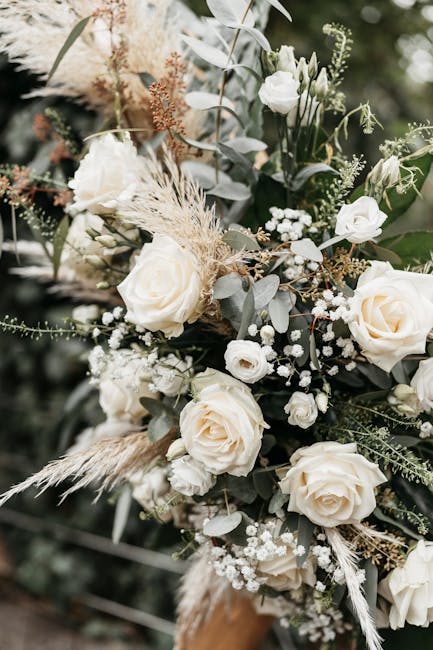
The florist suggests a ceremony focal arrangement with white and blush tones, some natural greenery for movement, and table pieces that echo the same palette without repeating the exact same design everywhere. Instead of trying to fill every corner, the florist concentrates the flowers at the entrance, the ceremony backdrop, and the top table. The result feels deliberate rather than busy.
On the day, the setup is staggered carefully because the venue has limited access and a narrow delivery window. The florist brings in the larger pieces first, then finishes with smaller styling touches once the ceremony room is ready. There is a small pause before guests arrive, just long enough for the room to settle into place. You can almost feel that quiet before everyone walks in. Then the doors open, and the flowers do exactly what they should: they make the space feel considered, warm, and personal.
That kind of outcome is not about extravagance. It is about planning, proportions, and knowing what the space needs. Very often, the best wedding installations are the ones that look calm, not crowded.
Practical Checklist
Use this checklist before you confirm your florist and your installation plan.
- Have you shared the venue name, layout, and access details?
- Do you know which floral areas matter most?
- Have you agreed on style words, colours, and seasonality?
- Is the setup time confirmed with the venue?
- Do you understand what is included in delivery, installation, and collection?
- Have you asked about structure, fixings, and safety for larger pieces?
- Are substitutions explained clearly?
- Do the bouquet, buttonholes, and table flowers match the overall look?
- Is the budget focused on the most visible elements?
- Have you seen enough examples to feel confident in the florist's style?
Quick rule of thumb: if the florist asks thoughtful questions about your venue before talking about flower types, that is usually a good sign.
Conclusion
Finding the Kidbrooke Village best florist for wedding installations is about more than choosing pretty flowers. It is about choosing someone who understands space, timing, scale, and the emotional feel of the day. The right florist will help you make decisions calmly, avoid expensive mistakes, and create floral moments that feel natural in the venue rather than dropped into it.
Whether you are planning a bold ceremony feature, a gentle reception dressing, or a clean modern installation with just a few statement pieces, the most reliable approach is the same: start with the venue, keep the brief clear, and work with a florist who knows how to balance design with practicality. That is what turns flowers into part of the experience, not just part of the decoration.
If you are ready to move from ideas to something real, now is a good time to compare styles, check availability, and ask the questions that matter. The process gets easier once the plan is out of your head and onto paper. And honestly, that is often the point where the wedding starts to feel beautifully real.
Get a free quote today and see how much you can save.
Frequently Asked Questions
What does a wedding installation florist actually do?
A wedding installation florist designs, delivers, and sets up larger floral features such as arches, backdrops, aisle arrangements, entrances, and reception styling. They also plan how the flowers fit the venue and how they will be installed safely.
How far in advance should I book a florist for wedding installations in Kidbrooke Village?
As early as you can, especially if your date falls in peak wedding season. Installation work requires more planning than a simple bouquet order, so the earlier you book, the more options you usually have.
Is a wedding installation more expensive than regular wedding flowers?
Usually, yes, because installations require more flowers, more labour, more setup time, and sometimes additional structure or fixings. The final cost depends on scale, flower choice, and how complex the design is.
Can I have a beautiful installation on a smaller budget?
Absolutely. A smaller budget can still achieve strong impact if you focus on one or two high-visibility areas, use seasonal flowers, and keep the design coordinated rather than trying to cover every corner.
What flowers work best for wedding installations?
There is no single best flower. Roses, hydrangeas, lisianthus, orchids, carnations, chrysanthemums, and mixed seasonal blooms can all work well depending on the style you want and the venue conditions.
Do installation flowers need to match the bouquet exactly?
Not exactly. They should feel related, but a good florist often varies the texture and scale so the whole wedding looks designed rather than repetitive. Matching too literally can make the overall look feel flat.
How long do wedding installations last?
That depends on the flowers used, room temperature, and how long they are out of water. A professional florist plans for freshness across the event and will choose flowers that can cope with the schedule.
What should I ask before booking a florist?
Ask about venue experience, setup timing, delivery, collection, insurance or safety considerations, substitution policy, and how they handle larger installations. Those questions tell you a lot more than a simple price alone.
Can a florist work with my wedding planner or venue coordinator?
Yes, and they should. Good coordination is essential for installation work. A florist who can communicate clearly with other suppliers usually makes the day much smoother.
Are seasonal flowers better for wedding installations?
Often they are, because seasonal flowers are usually fresher, more reliable, and better value. They also tend to look more natural in the final design, though the exact choice depends on your style and budget.
What happens if the venue has strict rules about setup?
A professional florist should adapt. They may suggest different structures, safer fixing methods, or smaller-scale designs that fit the venue's restrictions while still looking elegant.
Can I reuse wedding installation flowers elsewhere on the day?
Sometimes, yes. Some arrangements can be moved from ceremony to reception, but this depends on the design and the timing. It is worth discussing at the planning stage because it can stretch the value of your floral budget.